Impact of Technology on Welfare and Social Development in Rwanda
Technology is reshaping welfare in Rwanda by bridging gaps in healthcare, education, and social services, fostering inclusive growth. Telemedicine platforms connect rural patients to specialists, reducing disparities in a country with one doctor per 5,000 people—improving outcomes by 30% in some areas. Initiatives like Babylon Health enable 4,000 daily consultations via mobile, enhancing access in remote villages.
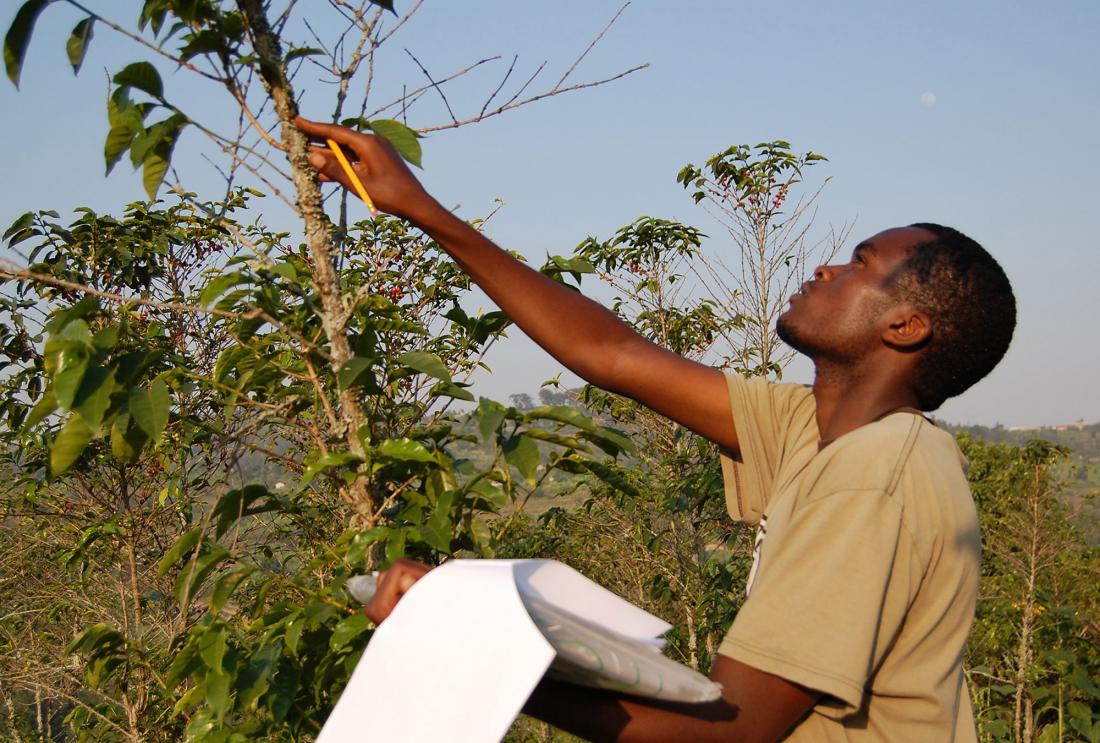
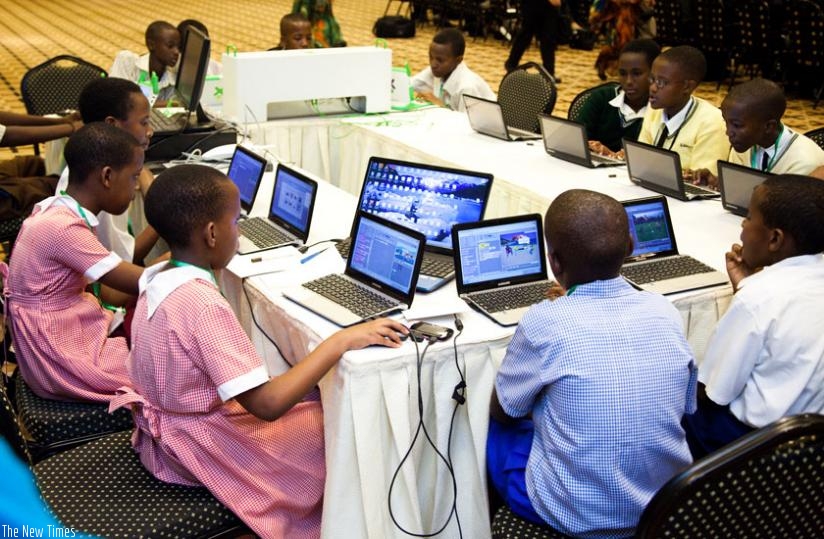
In education, platforms like Khan Academy and the One Laptop Per Child program have boosted literacy by 15-20%, with over 2,000 schools connected. Social media aids community organizing, while blockchain ensures transparent aid in programs like cash transfers, minimizing corruption. Gig economies via apps create jobs, lifting over 5 million Africans, including Rwandans, from poverty. However, with only 50% online in sub-Saharan Africa, Rwanda's digital inclusion policies are vital.
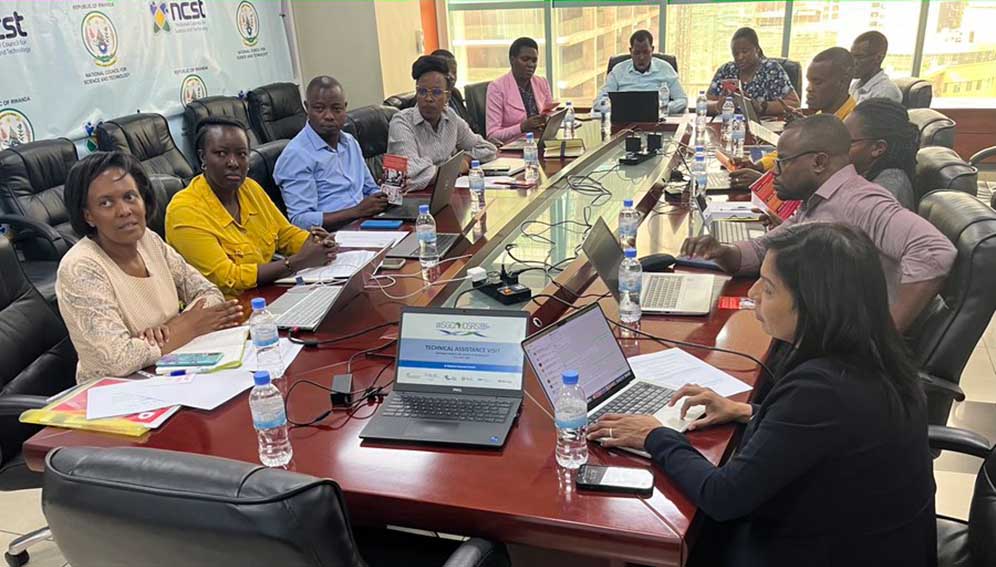
Technology empowers marginalized groups, like apps for the disabled, and supports SDGs through STI policies, creating youth jobs (21% unemployment). Challenges include access inequities, but Rwanda's progress—universal health coverage and community health workers—shows technology's role in social transformation.


Comments
Post a Comment