The Evolution of Technology in Rwanda
Rwanda's technological journey has been a story of remarkable resilience and ambition, evolving from post-genocide recovery in the 1990s to a leading digital innovator in Africa by 2026. Following the 1994 genocide, the country prioritized rebuilding through ICT, with Vision 2020 laying the foundation for a knowledge-based economy.
By the early 2000s, mobile phone adoption surged, mirroring Africa's broader revolution but with Rwanda-specific initiatives like widespread fiber optic networks connecting over 95% of the population to 4G by 2020. This infrastructure boom enabled services like Irembo, Rwanda's e-government portal, which digitized public services from birth certificates to business registrations, reducing bureaucracy and fostering efficiency.
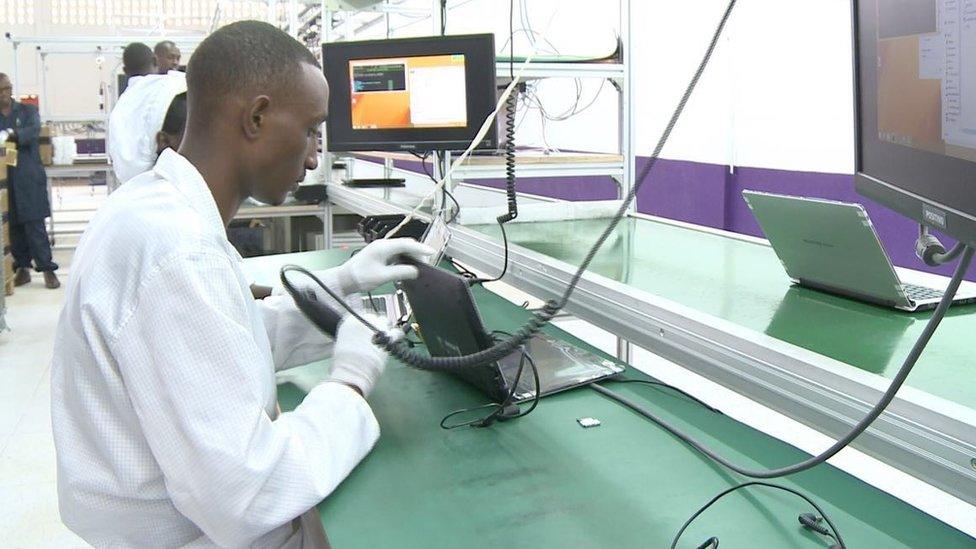
Key milestones include the 2016 Smart Rwanda Master Plan, which integrated AI and IoT into sectors like healthcare and agriculture. By 2026, Rwanda's Digital Acceleration Project, funded by the World Bank at Rwf280 billion ($200 million), has expanded broadband to remote areas, achieving 55% completion and boosting digital public services.
The Mobile World Congress Africa, hosted in Kigali, highlights Rwanda's role in connectivity, with President Paul Kagame emphasizing technology's transformative power. Investments in Kigali Innovation City, valued at $2 billion, position Rwanda as a pan-African tech hub, attracting startups and creating over 700,000 jobs continent-wide.
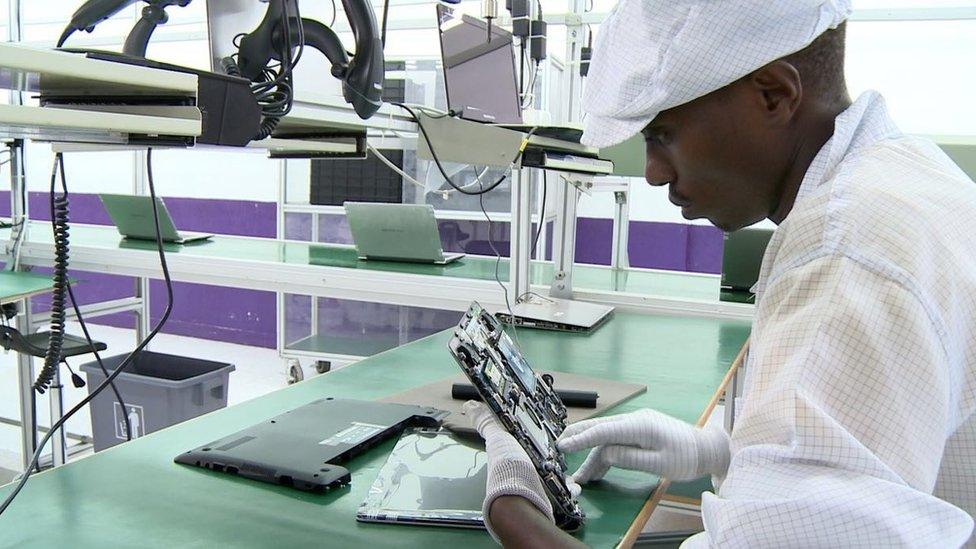
Challenges like the digital divide persist, with rural internet access at around 40%, but initiatives like the Rwanda Coding Academy and partnerships with Carnegie Mellon University-Africa are bridging skills gaps. AI capabilities have grown through national strategies, integrating into healthcare (e.g., AI-enabled ultrasounds) and education, with over 2,000 schools connected via the Smart Education Project. By 2030, Rwanda's AI market could contribute billions, driving sustainable growth. This evolution not only boosts GDP—ICT contributed 3% in 2020, projected to triple—but also empowers citizens, turning constraints into opportunities for inclusive development.


Comments
Post a Comment